

How Architectural Door Hinges Ensure Smooth and Reliable Use
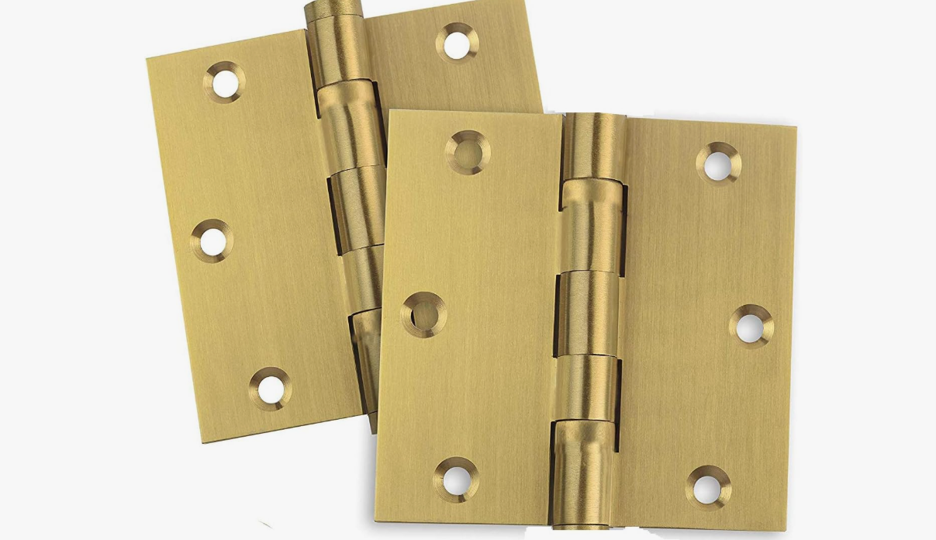
A door may look simple, yet its movement depends on the small parts fixed at its side. The hinge carries the door, guides its swing, and helps it close with control. When the hinge is strong and well-made, the door feels steady in daily use.
When it is weak, the door may sag, rub, or make noise. This is why architectural door hinges matter in homes, offices, hotels, and many other built spaces where doors must work without trouble.
What Makes a Door Hinge Important?
A hinge is more than a metal joint. It supports the door weight and keeps the door aligned with the frame. Each time a person opens or closes a door, the hinge takes pressure.
A good hinge helps in several ways:
● It allows a smooth opening and closing movement.
● It keeps the door level over a long period.
● It reduces stress on the door frame.
● It helps avoid scraping, shaking, or loose movement.
● It supports the overall look of the door hardware.
If the hinge is not suitable for the door, even a good door can feel poor in use. The door may drop at one side, become hard to close, or place extra strain on the screws and frame.
How Hinges Support Daily Door Movement
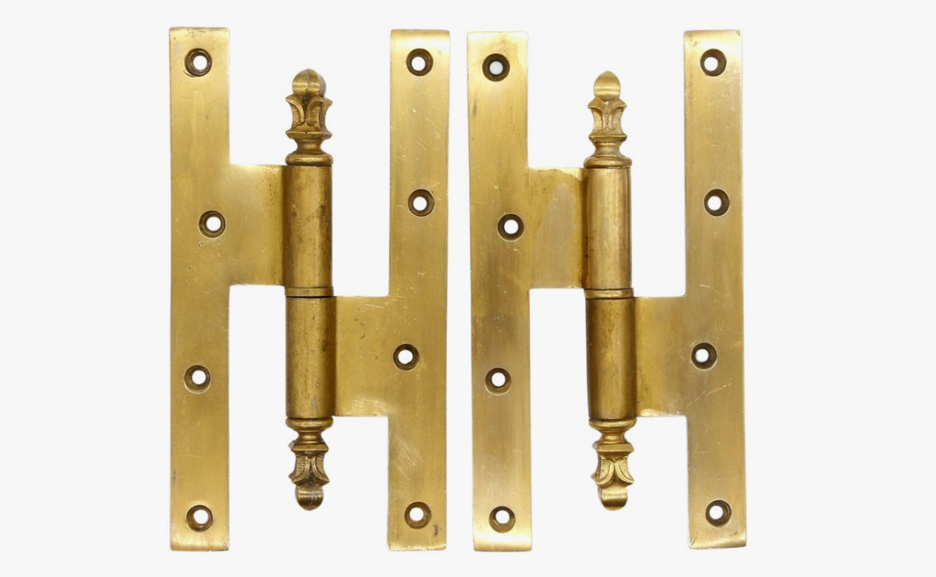
Every door moves many times in a day. In a busy space, this number can become high. The hinge must handle this repeated action without losing shape or strength.
The hinge works by joining two fixed points. One part is attached to the door, and the other part is attached to the frame. The pin or moving center allows rotation. This simple action must stay clean and stable.
For smooth use, the hinge needs:
● A firm grip on the door and frame.
● A balanced design that spreads weight.
● Proper pin movement with limited friction.
● Correct sizing for the door height and weight.
When these parts work together, the door feels calm and controlled. There is no rough push, no hard pull, and no uneven swing.
Why Accurate Machining Matters
A hinge must be made with care in its size and shape. Even a small error can change how the door moves. If the hinge leaves are not flat, the door may sit out of line. If the pin area is not even, movement may feel stiff or loose.
Von Morris products are made in an ISO 9002-certified factory, where machining is used to keep tight tolerances and repeatable dimensions. This means each part is made to match clear size standards.
Accurate machining helps by:
● Keeping the hinge leaves aligned.
● Supporting better screw placement.
● Helping the pin move in a steady way.
● Reducing gaps that may cause weak movement.
● Making installation more consistent.
A door does not forgive poor fitting. It shows the problem through sound, drag, or uneven closure.
Smooth Use Comes From Balance
A hinge must balance strength with free movement. If it is too loose, the door may shake. If it is too tight, the door may be hard to move. The right hinge gives support without fighting the user.
This is where architectural door hinges are important for both comfort and function. They are made to suit doors that need more than basic support. They must match the design, weight, and expected use of the space.
Smooth use often depends on:
● Proper hinge size for the door.
● Correct number of hinges used.
● Firm installation into the frame.
● Good alignment from top to bottom.
● A finish that does not disturb movement.
A smooth door leaves a good impression without calling attention to itself. It simply works, day after day.
How Finishing Affects Performance and Appearance
The finish of a hinge is not only for beauty. It also helps protect the surface from marks, handling, and daily wear. Von Morris products are hand-finished through several polishing stages to create a rich, high-luster surface.
This hand finishing helps the hinge feel refined and look complete. It also supports clean edges and a better surface feel. After polishing, a catalyzed epoxy lacquer is used for durable protection. This coating helps preserve the beauty of each piece.
A well-finished hinge can:
● Match the quality of the door and frame.
● Resist early surface damage.
● Keep its appearance for longer.
● Feel smoother to the touch.
● Support a clean and finished room design.
Good finish work is visible, but it is also felt in the way the product handles over time.
Reliability Depends on Inspection
A hinge must look good, but it must also pass quality checks. Final inspection helps make sure the product meets set standards before it is packed. Von Morris inspects each product before packaging, so the finished piece reflects the quality expected from the making process.
Inspection may look at several points:
● Surface finish and polish quality.
● Size and shape consistency.
● Movement and alignment.
● Protection layer condition.
● Overall appearance before packaging.
This step matters because a hinge is usually installed for long service. Once fixed to the door, it becomes part of everyday use. Any small issue can grow into a larger problem later.
Role of Hinges in Door Safety and Comfort
A reliable hinge also supports comfort and safety. A door that moves with control is easier for people to use. It is less likely to slam, drag, or become unstable. In many spaces, this can make daily movement easier for children, older people, and visitors.
Good hinge function supports:
● Easy opening without extra force.
● Better door alignment with the latch.
● Less noise during use.
● More stable movement in active areas.
● Reduced risk of damage to the frame.
This is why choosing the right hinge should not be treated as a small detail. It is a part of the door system that people use every day.
Conclusion
A hinge may be small, but its duty is heavy. It carries the door, guides each movement, and helps the space feel finished. When the hinge is made from sound material, shaped with accuracy, finished with care, and checked before use, the door works in a more reliable way.
Von Morris focuses on these details through quality production, responsible practices, and careful finishing. In the end, architectural door hinges help a door do what it should: open, close, and serve with steady ease.