

How to Specify Handing for Cabinet Olive Knuckle Hinges
Cabinet hinges look like small parts, yet they guide how a door moves each day. When the hinge is chosen with care, the cabinet opens smoothly, and the door sits in the correct position. One detail many people overlook is the handing of a hinge. Olive knuckle hinges, especially those made from solid brass, are handed parts.
This means the hinge must match the direction of the door swing. When selecting quality brass cabinet hardware, it helps to understand this small but important detail so the cabinet works the way it should.
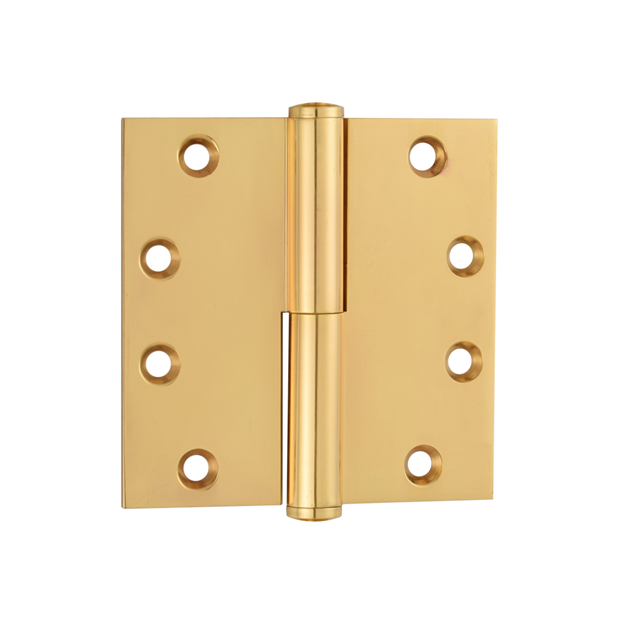
Why Correct Handing Matters
Some people think a hinge is a hinge. But olive knuckle hinges have a visible knuckle form that sits on the outside edge of the door. If the handing is wrong, the hinge will not sit properly.
Correct handing helps with several things:
● Proper door movement without rubbing against the cabinet frame
● Balanced appearance along the cabinet edge
● Smooth closing action when the door rests against the frame
● Clean alignment with other hinges on the same door
A cabinet may have two or three hinges, depending on its size. When each hinge has the correct orientation, the door feels stable and quiet when it opens.
Quality brass cabinet hardware is often chosen not only for strength but also for visual harmony. A well-hinged hinge keeps that harmony intact.
Parts of an Olive Knuckle Hinge
Before discussing handing further, it helps to look at the basic parts of an olive knuckle hinge. The shape is traditional and recognizable.
The main components include:
● Hinge leaves
Two flat plates that attach to the door and cabinet frame.
● Olive knuckle
The rounded decorative section between the hinge leaves.
● Hinge pin
A central rod that allows the hinge to rotate.
● Screw holes
Points where the hinge attaches to wood using mounting screws.
The olive-shaped knuckle gives the hinge its name. When installed with other brass cabinet hardware, the hinge adds a quiet decorative detail that fits traditional cabinetry.
How to Identify Left-Hand or Right-Hand Hinges
A simple method helps determine hinge handing before ordering.
Follow this observation method:
Stand in front of the cabinet door.
Open the door toward you.
Notice which side holds the hinges.
From this position:
● If the hinges are on the left side, the hinge is left-handed.
● If the hinges are on the right side, the hinge is right-handed.
This method works for most cabinet layouts. Cabinet makers often sketch the door direction on paper before selecting hinge types. Small steps like this save time later during installation.
Simple Steps to Specify Handing When Ordering
When ordering olive knuckle hinges, the product description often asks for the hinge hand. It may look like a small detail in the order form, but it is necessary.
A clear process can help:
● Check the cabinet door layout before choosing the hinge type.
● Determine the door swing direction using the open-door method.
● Count the number of hinges needed for each door.
● Confirm hinge size and weight to match the cabinet door thickness.
● Specify the hand of the hinge during ordering so each piece matches the door orientation.
Many furniture makers treat this step as part of the cabinet planning stage. When hinges arrive ready for installation, the work moves forward without delay.
Featured Product: Olive Knuckle Hinge
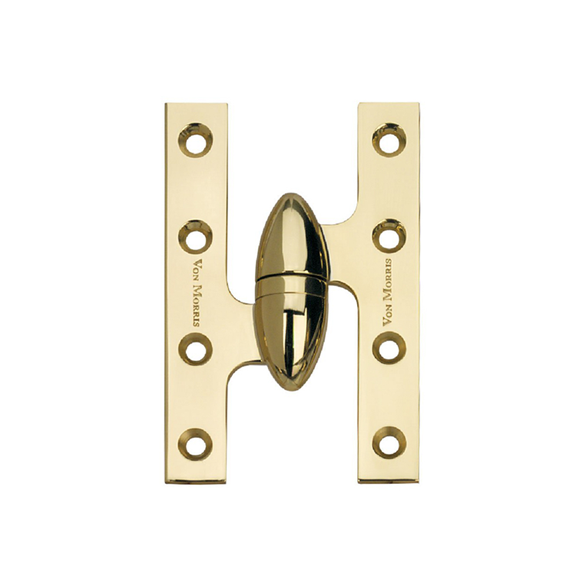
The olive knuckle hinge from Von Morris reflects traditional hinge construction with careful attention to detail. It is designed for cabinet doors that require strength, stability, and a refined surface finish.
Key characteristics include:
● Classic olive knuckle design
● Solid forged brass construction
● Concealed ball bearing mechanism
● Standard weight structure
● Hand-polished surface finish
● Hinges are handed and must be specified when ordering
The hinge works well with fine cabinetry and other brass cabinet hardware, giving a unified look along door edges and frames.
Olive Knuckle Hinge Sizes and Specifications
Different cabinet sizes require different hinge dimensions. The following table outlines the standard options available for the olive knuckle hinge.
| Length | Width | Gauge | Screw Size |
|---|---|---|---|
| 5.0 inches | 3.250 inches | 0.169 inches | 12 x 1.25 inches |
| 6.0 inches | 3.875 inches | 0.203 inches | 12 x 1.25 inches |
Choosing the right hinge size depends on the cabinet door height, thickness, and weight. Larger doors usually require a larger hinge size for stable support.
Materials and Finishing Approach
Hinges produced by Von Morris begin with selected raw materials such as brass, bronze, and stainless steel. Each metal type is chosen for consistent alloy composition and dimensional accuracy.
The production steps include:
● Precision machining that keeps tight measurements
● Multi-stage hand polishing for a bright surface
● Protective catalyzed epoxy lacquer coating
● Final inspection before packaging
The finish protects the hinge surface from wear while keeping the polished look visible. This process gives long life to cabinet fittings and maintains harmony with other brass cabinet hardware throughout the room.
General Installation Notes for Cabinet Hinges
Even the best hinge needs careful installation. A few common practices help maintain alignment and movement.
Cabinet installers often follow these points:
● Measure hinge placement carefully so hinges sit in straight vertical lines.
● Pre-drill screw holes to avoid wood splitting.
● Use the correct screw length based on the door thickness.
● Check door movement slowly after installing the first hinge.
● Adjust hinge spacing if the cabinet door feels uneven.
Small checks during installation make a noticeable difference in how the cabinet door behaves later.
Conclusion
Cabinet hardware does not always draw attention, yet it shapes how furniture feels in daily use. Olive knuckle hinges are a good example. Their shape carries tradition, and their function depends on correct handling. When the hinge hand matches the door swing, the cabinet moves with ease, and the hinge sits naturally along the edge.
Choosing well-made hinges and specifying their orientation at the time of ordering avoids many installation issues. For cabinets fitted with solid brass cabinet hardware, these small decisions bring balance to the final work. A carefully selected hinge often goes unnoticed, which is exactly how good hardware should behave.